


Categorization:Product Information
With the development of electronic devices towards high-speed, miniaturization, and high integration, the performance requirements for internal high-speed signal transmission of cable components are also increasing. In camera modules, industrial vision equipment, laptops, display devices, and various embedded electronic products, extremely thin coaxial cables are gradually becoming an important internal high-speed interconnection solution. However, in actual product design, some engineers are prone to fall into a误区: believing that the higher the transmission rate, the higher the cable specification, and the stronger the shielding capability, the more reliable the overall solution will be. In fact, cable selection is not simply pursuing the highest performance, but should be combined with the actual transmission rate of the device, signal integrity requirements, wiring space, and usage environment to choose a solution that matches performance and cost. Performance configurations exceeding actual needs may not only increase procurement costs but may also bring unnecessary structural design and manufacturing difficulties.
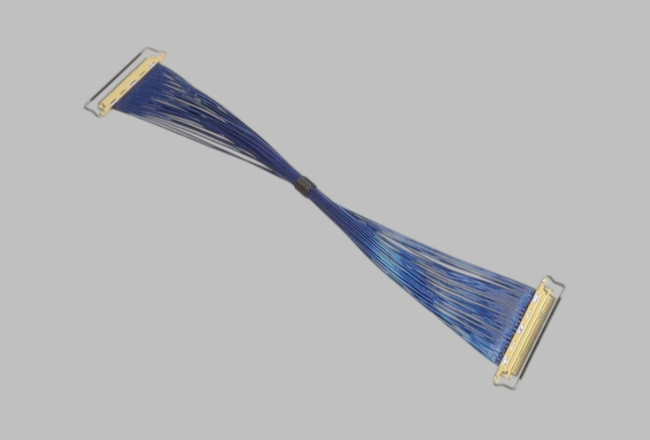
To avoid over-sizing high-speed harnesses, it is first necessary to clearly define the actual transmission capability required by the system. Engineers should focus on understanding the signal transmission rate, signal type, channel count, harness length, and interface requirements between the mainboard and terminal. For example, for MIPI camera modules, display modules, and other high-speed digital signal connections, it is necessary to evaluate harness performance by combining specific protocols, data rates, and link budgets, rather than determining the model based solely on the maximum transmission rate claimed in product promotions. At the same time, attention should also be paid to insertion loss, return loss, crosstalk, impedance consistency, and signal delay. For multi-channel high-speed signals, the time delay differences between channels should also be considered. Only by clearly defining these key parameters can it be determined whether the harness truly meets the system requirements, thus avoiding paying extra costs for performance indicators that are not actually needed.
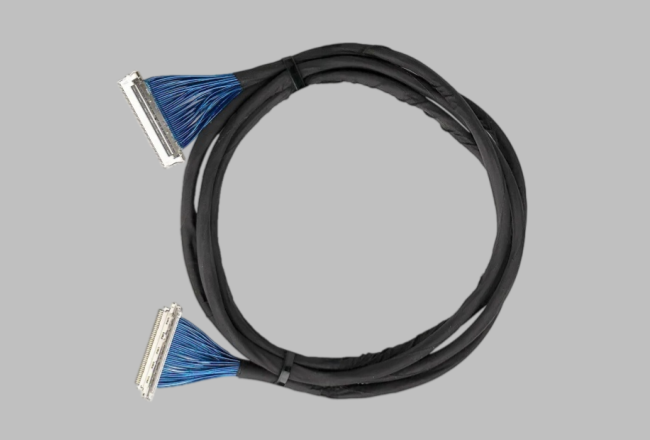
The selection of extremely thin coaxial cable束 is not only related to electrical performance but also closely associated with the internal structure of the product. Cables with different AWG specifications have differences in conductor size, mechanical flexibility, processing difficulty, and electrical characteristics; different connector series vary in terms of spacing, PIN count, mating height, installation direction, and transmission capability. If one chooses cables with higher specifications or more complex shielding structures blindly, it may cause an increase in the cable's outer diameter, limited bending space, complex termination processes, and an overall increase in cost. Therefore, it is recommended to comprehensively evaluate AWG specifications, cable length, connector models, and shielding structures based on the internal space of the product, the actual routing paths, bending radius, and connector layout. For compact, densely routed electronic equipment, a reasonable combination of extremely thin coaxial cables, connectors, and cable structures is often more important than simply improving a single performance indicator.
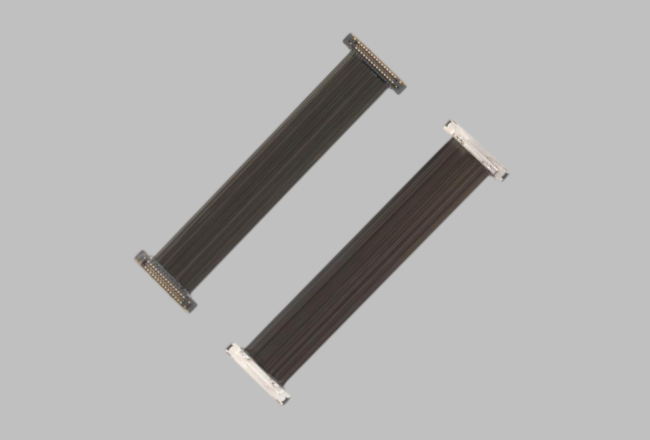
Whether the high-speed harness selection is reasonable needs to be ultimately determined through actual verification. During the design phase, it is possible to combine system link budget to evaluate the signal loss generated by PCB routing, connectors, cables, and terminal devices together, to avoid concentrating all performance pressure on the harness. In the sample stage, network analyzers can be used to test parameters such as insertion loss, return loss, and crosstalk, and the transmission stability can be judged in combination with eye diagrams, error rates, and actual equipment operating conditions. At the same time, it should also be verified according to the application environment for the reliability of bending, connection stability, and temperature adaptability of the harness. It should be noted that the test results should be analyzed in combination with actual interfaces, harness length, and test fixtures, and cannot be judged solely based on a single parameter. Through sample comparison and system-level verification, it is possible to gradually find a harness configuration that meets performance requirements without excessively increasing costs.
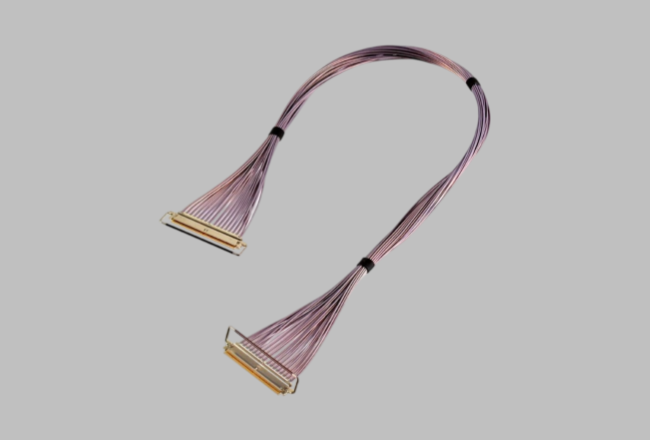
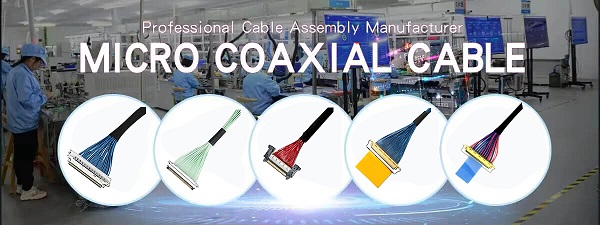
The selection of high-speed cables is not about choosing the highest specification, but rather finding a reasonable balance between transmission performance, structural space, reliability, and procurement costs. For extremely thin coaxial cable bundles, only by fully understanding the actual signal requirements and combining cable specifications, connector matching, processing technology, and system testing for comprehensive evaluation can we avoid over-specification. Choosing the truly suitable cable solution for product applications can ensure stable transmission of high-speed signals and also help control the costs of product development and manufacturing.
“Without the consent or authorization of this site, no one shall reproduce, reprint, distribute, cite, change, broadcast or publish the content in whole or in part in any form, nor shall there be any other violation of the copyright of this site.