


Categorization:Harness Component
In notebook computers, display modules, industrial cameras, AI vision equipment, and high-speed electronic devices, extremely fine coaxial cables play a vital role in high-speed differential signal transmission. When devices exhibit phenomena such as screen flickering, colorful screen, black screen, occasional signal dropout, abnormal data transmission, or intermittent non-recognition of the device, engineers often need to pay close attention to the cable and connector parts. The instability of extremely fine coaxial cable signals does not necessarily mean that there is a fault with the mainboard or display itself. Factors such as cable impedance consistency, conductor and shielding structure, termination quality, connector contact status, cable length, and wiring bending method may all affect high-speed signal integrity. Especially when using 0.4mm ultra-fine pitch connectors with extremely fine coaxial cables, any deviation in termination, crimping, or assembly may lead to increased signal loss, reflection, crosstalk, or contact fluctuation. Therefore, for engineers, troubleshooting signal instability issues cannot only focus on whether "the wire can pass through," but also requires a comprehensive judgment from aspects such as impedance, shielding, termination, connector reliability, and overall signal integrity.
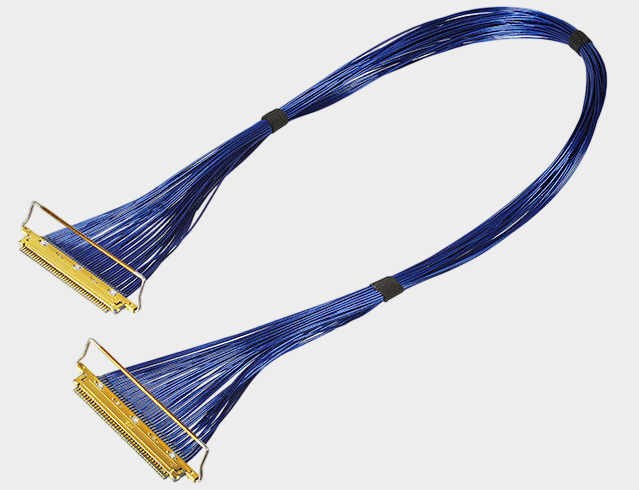
This product material number for the ultra-fine coaxial cable assembly is I-PEX 82974-100B-01-D, with the matching cable end connector model being 20634-210T-02. The connector is designed with a 10PIN, 0.4MM pitch. The I-PEX CABLINE®-CA series is positioned for high-speed, miniaturized Micro-Coaxial connection solutions, using a 0.4mm contact pitch and a horizontal plug-in structure, combined with shielding and multi-point grounding design, suitable for high-density high-speed signal connections in limited spaces. For engineers, the core value of ultra-fine coaxial cable assemblies like 82974-100B-01-D is not just their small size; it is more importantly their ability to balance high-speed signal transmission and electromagnetic compatibility requirements within limited wiring space; for purchasers, when confirming alternative cable assemblies, it is not enough to simply match according to "10PIN+0.4mm", but should also check key parameters such as connector model, Pin definition, cable structure, wire diameter, length, termination method, and equipment installation direction, to avoid situations where "the connector can be plugged in, but the high-speed signal performance does not meet the original design requirements."
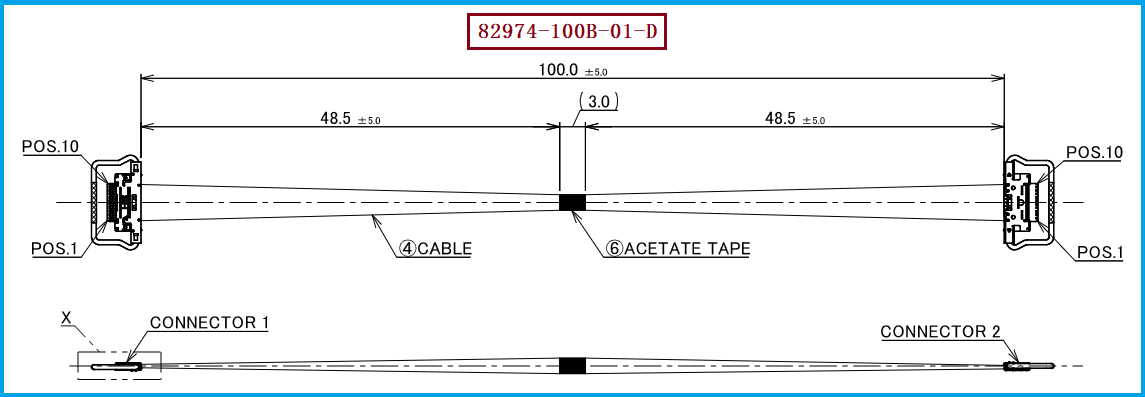
When extremely fine coaxial cables exhibit signal instability, engineers can prioritize analysis from three aspects: first, the cable material itself. High-speed signals are sensitive to characteristic impedance, attenuation, and consistency. If the cable structure control is unstable, or there are dimensional deviations in the conductor, insulation layer, or shielding layer during the production process, it may lead to increased signal reflection and loss; secondly, the shielding structure. The extremely fine coaxial cable uses the coaxial structure to isolate and shield high-speed signals, which helps to reduce external EMI and cross-talk between channels, but the continuity of the shielding layer, the quality of the termination, and the reliable connection with the connector shielding structure are also important; thirdly, the connector and termination process. The 20634-210T-02 used in this scheme is a 10PIN, 0.4MM spacing connector, which belongs to a high-density miniature connection structure and has high requirements for the precision of the terminal position, consistency of the cable termination, and assembly reliability. If there are situations such as half-insertion, poor contact, terminal offset, or inconsistent termination, even if there is no obvious damage to the cable itself, it may cause intermittent abnormalities in high-speed signals. Therefore, when carrying out domestic substitution or supplier switching, verification should be conducted through methods such as continuity, impedance, insertion-extraction reliability, and high-speed signal testing, rather than simply judging the product's qualification based on appearance and low-speed on-off tests.
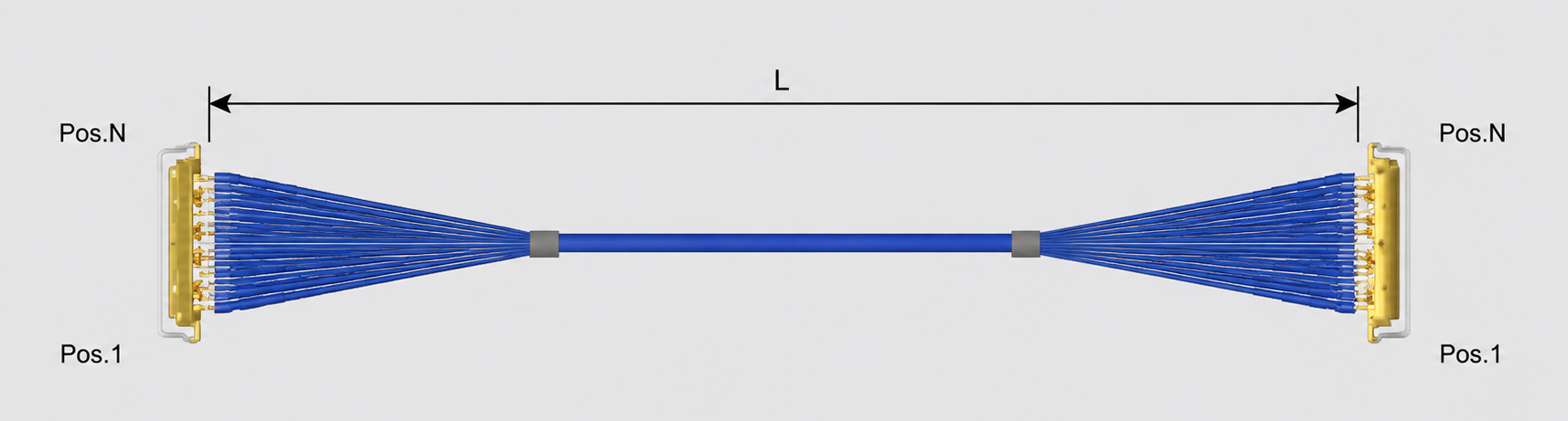
For engineers and procurement personnel in need of finding substitute products for I-PEX 82974-100B-01-D, it is recommended to select based on the core of "connector compatibility + wire matching + electrical performance + mechanical dimensions + actual verification". First, confirm that the wire end connector is 20634-210T-02, and confirm the actual insertion direction, lock, and installation space for 10PIN, 0.4MM Pitch; second, according to the actual high-speed signal requirements of the device, confirm the specifications, length, and impedance requirements of the extremely fine coaxial cable, and at the same time check whether the wire harness Pin Assignment is consistent with the original design; again, pay attention to the shielding continuity, termination consistency, and batch stability of the wire harness. For procurement projects, it is also important to investigate whether the supplier has the ability to independently produce and customize extremely fine coaxial cable harnesses, and whether it can carry out one-to-one prototyping, testing, and mass production based on the original samples, drawings, or material numbers. Our company can provide I-PEX 82974-100B-01-D compatible and substitute cable harness solutions, which can be compatible with the specifications, Pin numbers, spacing, wire structure, length, and termination requirements of the original product for development, providing engineers with sample verification, specification confirmation, and domestic substitution support, as well as providing procurement personnel with a stable supply of extremely fine coaxial cable harnesses.
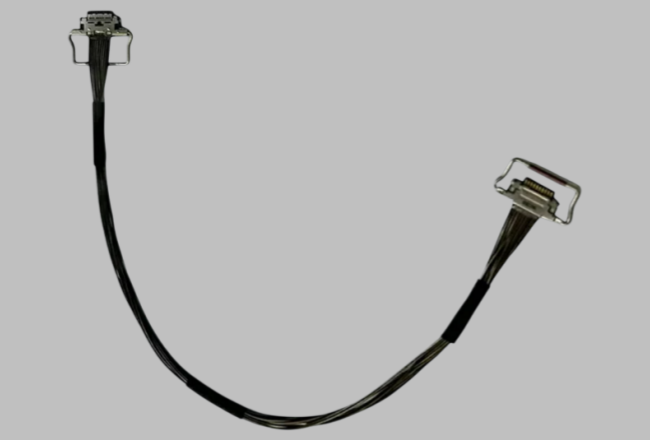
“Without the consent or authorization of this site, no one shall reproduce, reprint, distribute, cite, change, broadcast or publish the content in whole or in part in any form, nor shall there be any other violation of the copyright of this site.