


Categorization:Harness Component
With laptops, tablets, display modules, VR/AR equipment, and high-speed data terminals continuously developing towards thinness, high integration, and high-speed transmission, the internal high-speed signal chains of the devices have higher requirements for the space occupied by the cables, impedance control, and signal integrity. I-PEX 82994-100B-01-D belongs to the CABLINE®-CA II series 50Pin double-ended ultra-thin coaxial cable reference solution, using 40AWG ultra-thin coaxial wire, and the wire end is matched with the I-PEX 20680-050T-01 connector body, suitable for high-density, high-speed signal connections within the device. For engineers, this kind of cable not only needs to pay attention to whether the connector can be properly matched, but also needs to pay attention to the continuity of high-speed signals in the entire chain of "connector-cable-connector"; for purchasers, it is necessary to further confirm the pin number, wire specification, termination form, length, and batch consistency corresponding to the material number to reduce the risk of subsequent introduction.
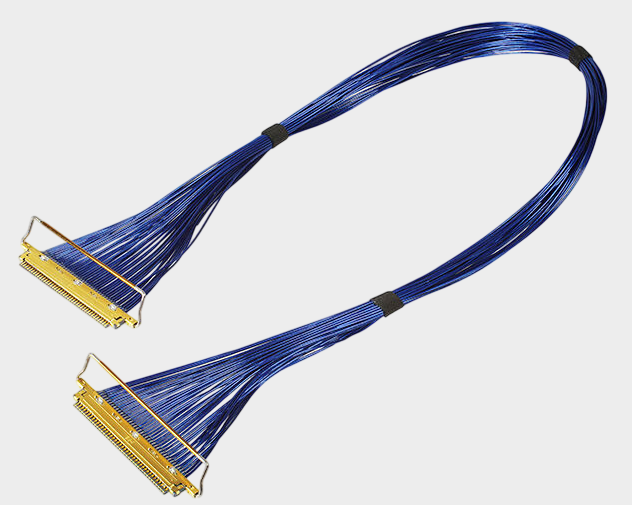
During high-speed signal transmission, impedance discontinuity is one of the important reasons for signal reflection. When high-speed signals enter the connector from the PCB and then into a very thin coaxial cable, if there is a significant change in characteristic impedance between different transmission structures, reflections, ringing, overshoot, or signal attenuation may occur, ultimately affecting the eye diagram, jitter, and the receiver's determination. Therefore, a very thin coaxial cable is not simply making the conductor thinner, but requires a comprehensive control of high-frequency characteristics from aspects such as conductor structure, insulating layer, shielding layer, connector termination, and overall processing consistency. Taking the 40AWG very thin coaxial cable as an example, its core value lies in utilizing a highly integrated coaxial structure to maintain a stable electromagnetic relationship between the signal conductor and the shielding structure, while minimizing impedance突变 through reasonable wire structure and termination process. For engineers engaged in high-speed link design, they should also pay close attention to the impedance specifications of the wire material itself, the structure of the connector interface, the geometric changes in the termination area, and the bending radius of the cable bundle to avoid forming new impedance discontinuity points in the cable design stage.
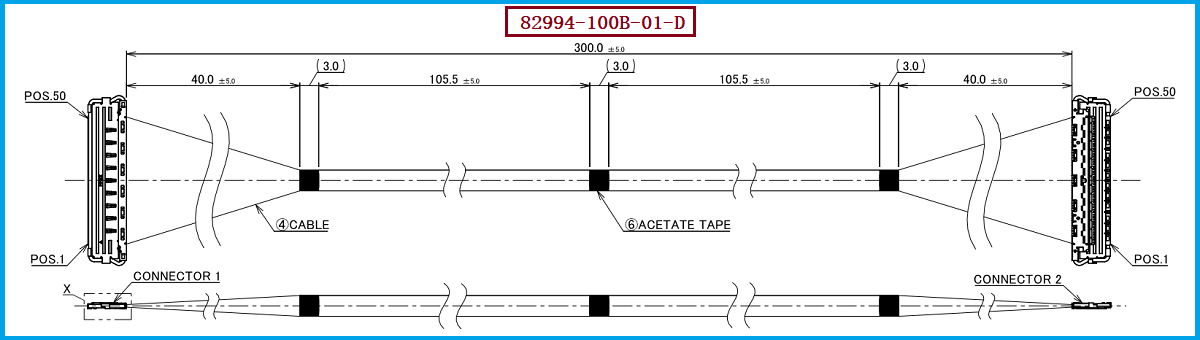
For customers requiring domesticization, supply chain diversification, or second supplier introduction, the alternative harness cannot simply be copied based on appearance and size. It is more important to conduct comprehensive verification around connector matching, Pin position correspondence, 40AWG wire material, high-frequency transmission characteristics, shielding continuity, and processing consistency. The wire-end connector model of this solution is I-PEX 20680-050T-01, and the product is a 50Pin solution. Therefore, in the process of alternative development, it is necessary to focus on confirming the consistency of the connector specifications with the original design, and at the same time, confirm the wire length, wire exit direction, termination form, and electrical performance according to the actual equipment requirements of the customer. Our company can provide an I-PEX 82994-100B-01-D compatible alternative harness solution. It can make samples and produce ultra-fine coaxial harnesses based on the customer-provided samples, drawings, or BOM data, helping the engineering research and development and procurement teams to further evaluate supply chain replacement and bulk purchasing solutions while ensuring assembly compatibility.
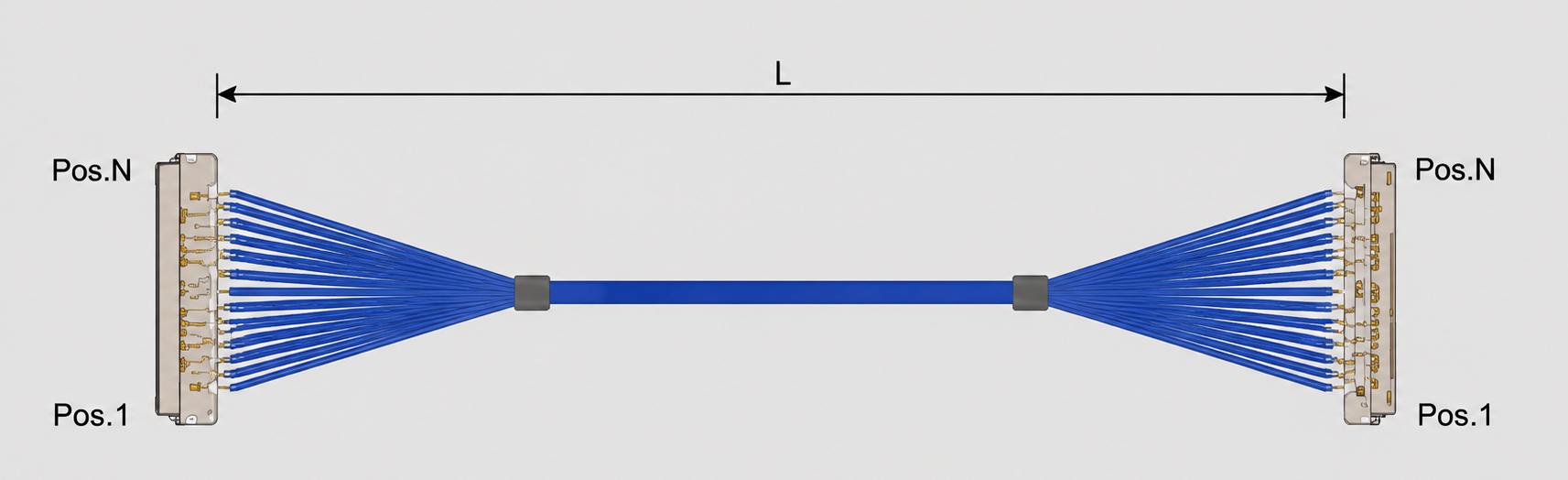
For engineer selection, it is recommended to first confirm the CABLINE®-CA II connector system and 50Pin configuration used on the device side, then check the specifications of the line end connectors such as 20680-050T-01, and clarify whether the cables use 40AWG ultra-fine coaxial cables. If the application belongs to high-speed display or high-speed data transmission links, it is also necessary to further confirm the requirements for impedance, insertion loss, return loss, crosstalk, and signal integrity, and not just use "can be plugged in, can conduct" as a substitute for judgment criteria. For purchasers, it is recommended to specify the original part number 82994-100B-01-D, connector model 20680-050T-01, 40AWG cables, finished length, and termination requirements at the quotation stage, and require suppliers to provide samples for assembly and electrical performance verification. For bulk replacement projects, it is recommended to first conduct small batch sample verification, and then gradually introduce mass production based on actual test results to reduce engineering risks associated with one-time replacement.
“Without the consent or authorization of this site, no one shall reproduce, reprint, distribute, cite, change, broadcast or publish the content in whole or in part in any form, nor shall there be any other violation of the copyright of this site.