In modern data centers, servers, storage systems, and high-speed network equipment, high-speed I/O (High Speed I/O) cables and connection solutions have become a core component for achieving high bandwidth and low latency performance. Amphenol CS (High Speed IO), as a brand under Amphenol that focuses on high-speed I/O cables and connection components, boasts a rich product portfolio and leading design advantages in high-speed interfaces such as PCIe and QSFP, and is the preferred interconnect solution supplier for many industry customers.

An Overview of High-Speed I/O Cables and Connector Systems
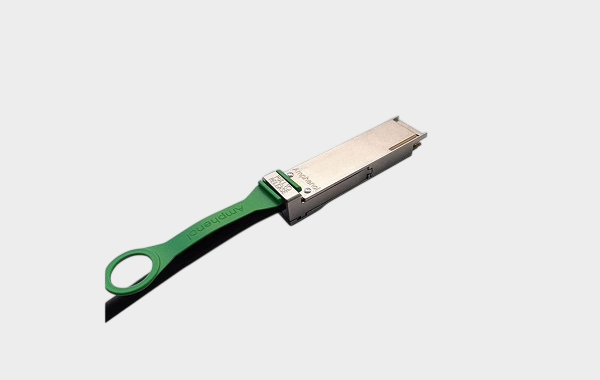
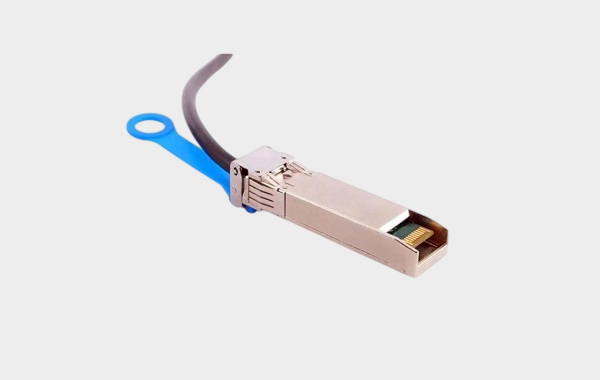
Amphenol CS offers a range of high-speed modules, copper and fiber optic cable products, including QSFP, QSFP-DD, SFP+/SFP56, OSFP, Mini-SAS/HD, and supports application scenarios from 10G to 800G+. The products cover three main cable forms: passive direct-attach cables (DAC), active copper cables (Active Copper), and active optical cables (AOC), meeting the needs of high-speed linkages from short to medium distances. In terms of PCIe, Amphenol CS products can be compatible with the latest PCIe® standards (such as Gen 4/Gen 5/and higher channel rates), achieving data transmission performance up to 112G/Channel or even higher, suitable for systems such as host-to-accelerator cards, storage expansion, and GPU interconnection, ensuring link integrity and high reliability.
PCIe and QSFP Design Key Points Analysis
Signal Integrity Design
In high-speed PCIe and QSFP channel designs, cable differential impedance control is crucial. Amphenol CS high-speed cables ensure strict trend control of 100Ω ± 10Ω during the manufacturing process, supporting signal specifications including PCIe and Ethernet above 400G, and minimizing crosstalk and insertion loss to the maximum extent.
Passive and Active Selection
Passive copper cable structures are simple and have lower costs, making them suitable for short-distance high-speed connections; active copper cables with integrated amplification/re-timing circuits are more suitable for medium-length environments, which can compensate for signal loss and improve link stability. For longer distances, choosing active optical cables (AOC) can simultaneously consider bandwidth and energy efficiency.
Module and Standard Compatibility
QSFP, QSFP-DD, and similar modules should take into account compatibility with industry standards (such as IEEE 802.3, InfiniBand, etc.) in their design, while ensuring backward compatibility with older versions of equipment to ensure the flexibility of the overall system upgrade path.
Thermal management and mechanical durability
High-speed transmission means higher heat and mechanical stress, so the design of cables and connectors must balance flexibility and heat dissipation layout to ensure long-term reliability. This includes optimizing the cable conductor structure, shielding layer, and locking mechanism, etc.
Three, selection and compatibility and alternative solutions reference and suggestions
When selecting the appropriate Amphenol CS high-speed I/O cable for the system, it is recommended to refer to the following points:
Rate matching with interface: Choose the corresponding rate (such as 200G/400G/800G) and interface type (QSFP28, QSFP56, QSFP-DD, OSFP, etc.) according to application requirements.
Cable length requirement: DAC is suitable for shorter links (such as interconnection within cabinets), while active and optical cables are suitable for cross-cabinet or cross-room transmission.
Compatibility verification: Ensure that the selected cables have been compatibility verified with the target hardware platform and switches, servers, and other devices, or meet industry standards.
Domestic alternative consideration: If domestic alternative solutions need to be considered in terms of procurement budget or supply chain, it is recommended to evaluate the performance of domestic brands in PCIe/QSFP rate, signal integrity, testing and certification, and long-term supply capacity, and make a point-by-point comparison with Amphenol CS products in terms of technical specifications to ensure that the alternative solution does not fall short in key performance.
For some general specifications, such as QSFP28/56 400G DAC/AOC, some domestic suppliers have provided compatible products. However, there is still a gap in terms of high channel speed (such as 800G+) and long-term reliability verification compared to Amphenol's original solution. Therefore, when designing key projects, it is necessary to evaluate whether original factory certification support is needed.
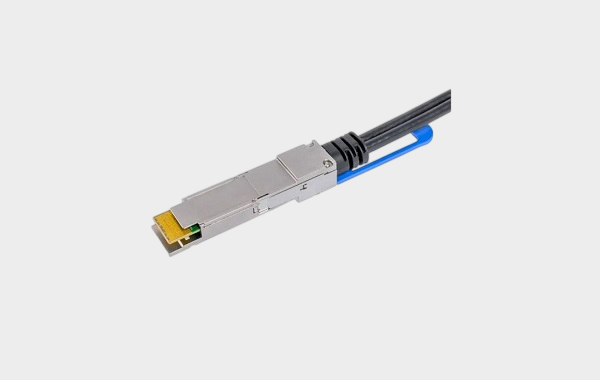
Amphenol CS high-speed I/O cables and connection components have become an indispensable basic interconnection solution for many high-performance systems due to their industry-leading signal integrity design, extensive speed and interface coverage, and reliable performance in data center interconnects. When designing high-speed links such as PCIe and QSFP, reasonably selecting cable types, taking into account both passive and active technical characteristics, and optimizing the design around compatibility and thermal management can significantly improve the overall performance and stability of the system.
If you wish to delve into the feasibility assessment of domestic alternatives in the field of high-performance high-speed I/O cables and connectors, or if you have procurement needs and solution consulting for domestic compatible products, please contact: Manager Zhang
18665383950, WeChat number), we continue to focus on the domestic substitution and application solutions of high-speed connectors, and engage in in-depth communication and cooperation with more industry partners.