In application scenarios such as precision electronic equipment, miniaturized medical devices, and high-speed signal transmission, extremely thin coaxial cables (Micro Coaxial Cable) have gradually become the preferred solution for internal signal cables in high-end products due to their excellent shielding performance, anti-interference ability, and thin, soft structure. However, in the actual customization process, customers often do not know which technical parameters and materials need to be prepared in advance, leading to increased communication costs, extended sample cycles, and even delayed mass production. This article will analyze in detail: What key elements should be prepared in advance when customizing extremely thin coaxial cables?
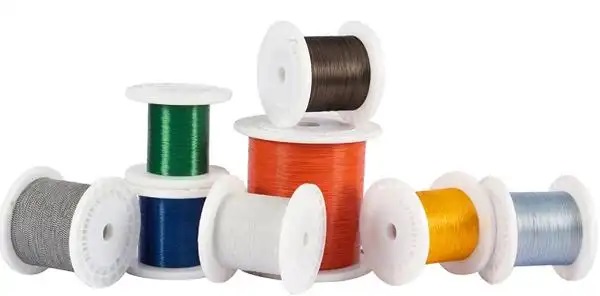
What is a micro coaxial cable (Micro Coaxial Cable)?
Extremely thin coaxial cables are a type of miniature coaxial cables composed of a core conductor, insulating layer, woven shielding layer, and outer sheath with a concentric structure. Their wire diameter is usually between 0.3mm and 1.2mm, and they have the following characteristics:
Suitable for high-frequency signal transmission
Strong anti-interference ability
Soft and bendable
Extensively used in the following fields:
Internal connections of medical endoscopes, camera modules, drones, precision instrument signal lines, laptops, tablets, and smartphones, etc.
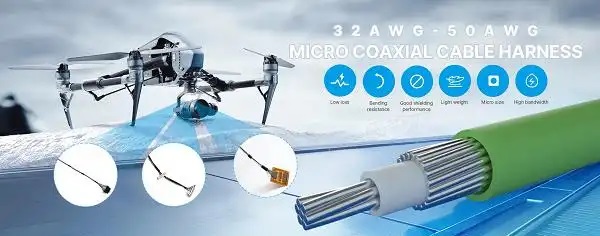
What information needs to be prepared before customizing a very thin coaxial cable assembly?
To design and produce ultra-fine coaxial cable assemblies that meet product performance and structural requirements, it is recommended to pre-verify the following seven core parameters:
Cable model and specifications
Determine the required ultra-fine coaxial cable model, such as AWG36, AWG40, AWG42, or specify brands like SUMITOMO, HITACHI, TATSUTA. Different models will affect the wire diameter, conductor material, shielding structure, and signal frequency performance.
Suggestion provided:
Specific model or wire diameter range
Is a brand specified?
Do you accept domestic substitution solutions?
Cable Length
Define the finished length and tolerance requirements for each harness.
Suggestion provided:
• Single length (e.g., 120mm±3mm)
Does it include the connector within the measured length?
Connector brand and model
The ends of extremely thin coaxial cable bundles are usually equipped with connectors (Connector), including brands such as I-PEX, JAE, Hirose, KEL, HTK, etc. Different connectors have varying PIN spacing, termination methods, and processing requirements, which need to be confirmed in advance.
Suggestion provided:
Connector Brand and Model (e.g., I-PEX 20373-040T, Hirose DF36-20S-0.4V)
Is both ends the same model
If non-standard or customized, provide 3D drawings or physical samples.
4. Conduction Sequence and PIN Definition
The multicore harness must clearly define the routing order and pin definitions; otherwise, it may cause signal errors or functional anomalies.
Suggestion provided:
• Line diagram, 3D structure diagram, or simple illustration
5. Environmental and Performance Requirements
Establish performance indicators based on the application environment, including:
Temperature resistance grade (e.g., 80℃, 105℃)
Bend life (e.g., >100,000 times)
Impedance matching (common: 50Ω / 75Ω)
Signal frequency range (e.g., 0-6GHz)
Suggestion provided:
Product Application (e.g., Medical Endoscope Signal Cable)
Special performance requirements or test standards
Detection criteria and quality requirements
Determine whether the product needs to comply with RoHS and REACH environmental certifications, and list the test items.
Suggestion provided:
• Conductivity test, high-voltage test, shielding integrity test, and other lists
Outbound Inspection Standards
Packing method and packing materials
The extremely thin coaxial beam structure is precise, and it is easy to cause appearance deformation and performance damage during transportation or storage if not packaged properly.
Suggestion provided:
Packing methods: bulk, strap, tray, blister box, pallet, etc.
Packaging materials: OPP bags, self-seal bags, bubble bags, anti-static bags, paper box lining pearl cotton, etc.
• Quantity and labeling: number of items per package, outer box size, net weight/gross weight, label position and content
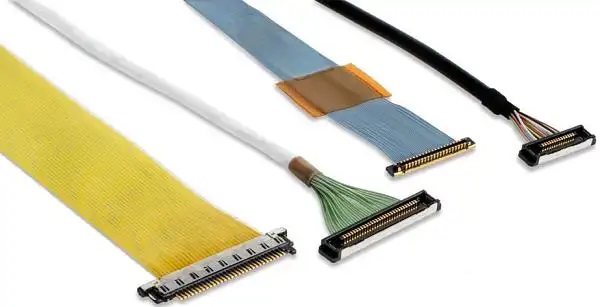
Extremely thin coaxial beam bundles are small in size, but they have very high requirements for parameter accuracy and assembly technology. If customers can provide the above information and sample materials in full before customization, it will greatly improve the efficiency of engineering evaluation, ensure the smooth process of sample making and mass production, stable quality, and controllable delivery time.
I am Kunshan JieKangFu Precision Electronics, focusing on the design and customization of high-speed signal cables and ultra-fine coaxial cables for a long time, committed to providing stable and reliable high-speed interconnection solutions for customers. If you have any related needs or want to learn more, please contact: Manager Zhang.
18913228573 (WeChat number).